
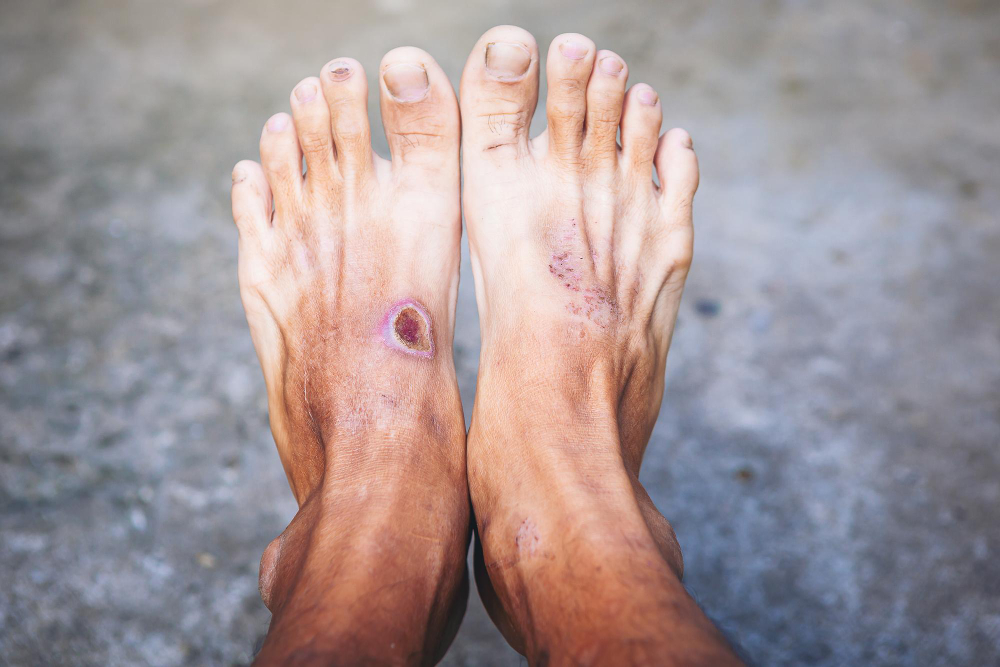
What Are Diabetic Wounds?
Diabetic wounds are sores or ulcers that form on the skin of people with diabetes. Most often, they appear on the feet or lower legs. Because diabetes can damage nerves and blood vessels, these wounds may heal slowly. In many cases, people do not feel pain from these wounds. As a result, they might not notice them right away. According to the CDC, diabetic wounds need special care to prevent infection and other problems. Proper diabetic wound care is important for healing and overall health.
Common Reasons Diabetic Wounds Reopen
Many people wonder why diabetic wounds reopen even after they seem to heal. There are several reasons for this. For example, pressure, friction, and delayed healing in diabetes all play a role. Sometimes, wounds do not close fully because of poor blood flow. In other cases, new injuries or infections can cause the wound to open again. Additionally, not following wound care advice can slow recovery. Understanding these factors helps people manage their wounds better.
The Role of Pressure in Wound Reopening
Pressure is a leading cause of wound reopening in people with diabetes. When you walk or stand for long periods, pressure builds up on certain areas of your feet. Over time, this pressure can break down the skin and reopen wounds. Pressure ulcers in diabetes are common, especially if you wear tight shoes or do not check your feet daily. Therefore, reducing pressure is key to keeping wounds closed.
How Friction Affects Diabetic Wounds
Friction happens when skin rubs against shoes, socks, or other surfaces. Even gentle rubbing can damage fragile skin, especially for people with diabetes. As a result, wounds may reopen or become larger. Friction and diabetic wounds are closely linked. For instance, walking barefoot or wearing ill-fitting shoes increases friction. To prevent this, always wear clean, well-fitting shoes and socks. In humid places, moisture can make friction worse, so keeping feet dry is important.
Delayed Tissue Repair in Diabetes
Delayed healing in diabetes is another reason wounds reopen. High blood sugar slows the body’s natural healing process. This means new skin forms more slowly, and wounds stay open longer. In addition, diabetes can lower the body’s ability to fight infections. This lack of blood makes it harder for wounds to heal fully. Because of this, even small injuries can become serious.
Ayurvedic Perspectives on Diabetic Wound Healing
Ayurvedic wound healing focuses on balancing the body’s natural energies. In Ayurveda, diabetic wounds are called “Madhumeha Vrana.” Practitioners use herbal pastes, oils, and gentle cleansing to support healing. For example, turmeric and neem are common herbs used for their soothing and cleansing effects. Some Ayurvedic doctors also recommend dietary changes to help manage blood sugar. While Ayurveda can support diabetic wound care, it should be used along with modern medical advice. Always talk to your doctor before starting new treatments.
Practical Tips for Preventing Wound Reopening
Conclusion
If you have concerns about diabetic wounds or need help with wound care, Acubiosys Private Limited is here for you. Schedule a consultation today to get expert support and guidance for your healing journey.