
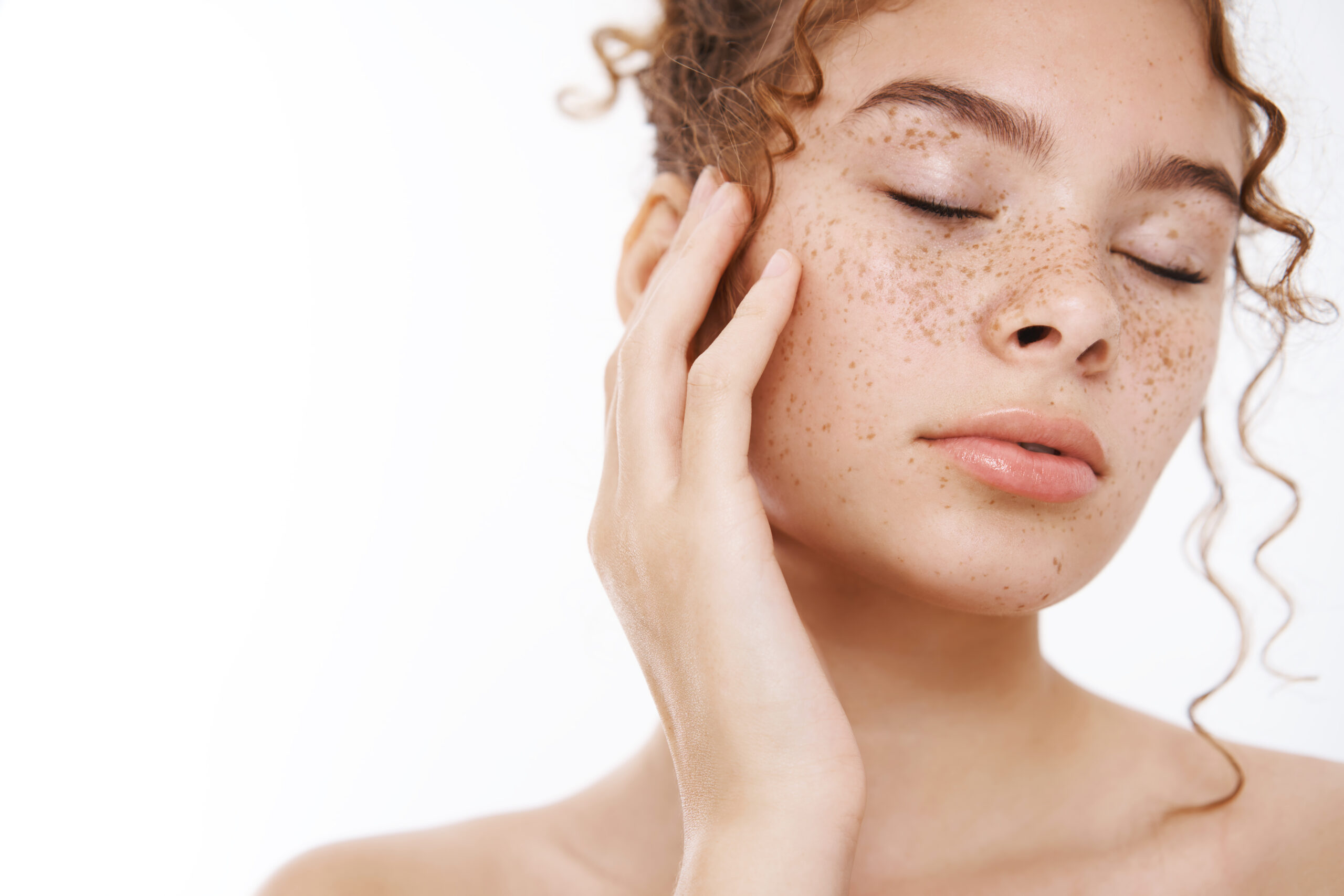
What is Melasma?
Melasma is a common skin condition. It causes brown or gray patches, mostly on the face. Often, these patches appear on the cheeks, forehead, nose, or upper lip. Many people notice that melasma fades and then returns. Understanding melasma and why pigmentation keeps returning is important for long-term care. Both men and women can get melasma, but it is more common in women, especially during pregnancy or after sun exposure.
Common Symptoms of Melasma
Melasma usually shows up as:
However, these patches can make people feel self-conscious. Sometimes, the color gets darker after sun exposure or hormonal changes.
Causes of Recurring Pigmentation
Melasma often comes back, even after treatment. There are several reasons for this. First, sun exposure is a major trigger. Even a little sunlight can make melasma return. Second, hormonal changes, such as pregnancy or birth control pills, can cause flare-ups. Third, some skin care products or treatments may irritate the skin and worsen pigmentation. Finally, genetics can play a role. If your family members have melasma, you may be more likely to get it too.
Ayurvedic Perspective on Melasma
Ayurveda, the ancient Indian system of medicine, views melasma as a result of imbalances in the body. According to Ayurveda, melasma is linked to excess heat (Pitta dosha) and toxins in the blood. When Pitta increases, it can cause skin discoloration. In addition, stress, poor diet, and sun exposure can upset the balance. Ayurveda focuses on treating the root cause, not just the symptoms. This approach may help prevent pigmentation from coming back.
Diagnosis and Assessment
Doctors usually diagnose melasma by looking at the skin. Sometimes, they use a special light to see how deep the pigment goes. In Ayurveda, a practitioner may also check your overall health, diet, and lifestyle. They look for signs of Pitta imbalance or other issues. Early diagnosis helps in choosing the right melasma treatment in Ayurveda or modern medicine.
Ayurvedic Treatments and Remedies
Ayurvedic melasma care uses natural remedies for melasma. These aim to balance Pitta and cleanse the blood. Some common treatments include:
However, it is important to use these remedies under the guidance of an Ayurvedic specialist. Some herbs may not suit everyone. For best results, combine these with lifestyle changes.
Lifestyle and Dietary Guidance
Ayurveda recommends simple changes to help manage melasma. For example, eat cooling foods like cucumbers, melons, and leafy greens. Avoid spicy, oily, or fried foods, as these can increase Pitta. Drink plenty of water to flush out toxins. In addition, practice stress-reducing activities like yoga or meditation. These steps can support natural remedies for melasma and help prevent pigmentation recurrence.
Prevention Tips to Reduce Recurrence
Preventing pigmentation recurrence is possible with a few daily habits:
Moreover, regular check-ups with an Ayurvedic practitioner can help catch early signs of melasma returning.
When to Consult a Specialist
If your melasma does not improve with home care, it is time to see a specialist. Also, if the patches spread or change quickly, seek medical advice. An Ayurvedic doctor can suggest personalized melasma treatment in Ayurveda. Sometimes, a dermatologist may work with your Ayurvedic practitioner for the best results. Early care can help prevent long-term skin changes.
In summary, melasma is a common but stubborn skin condition. With the right Ayurvedic approach and daily care, you can reduce the chances of pigmentation coming back. Consult an Ayurvedic specialist at Acubiosys Private Limited for personalized guidance on managing melasma.