
Introduction
Diabetic wounds are a common problem for people with diabetes. These wounds can heal slowly and often carry a high infection risk. Infections can lead to serious health issues if not treated early. Ayurveda, an ancient Indian healing system, offers natural ways to support wound healing. Understanding how to care for diabetic wounds is important for everyone, especially those living with diabetes.
Common Symptoms of Diabetic Wounds
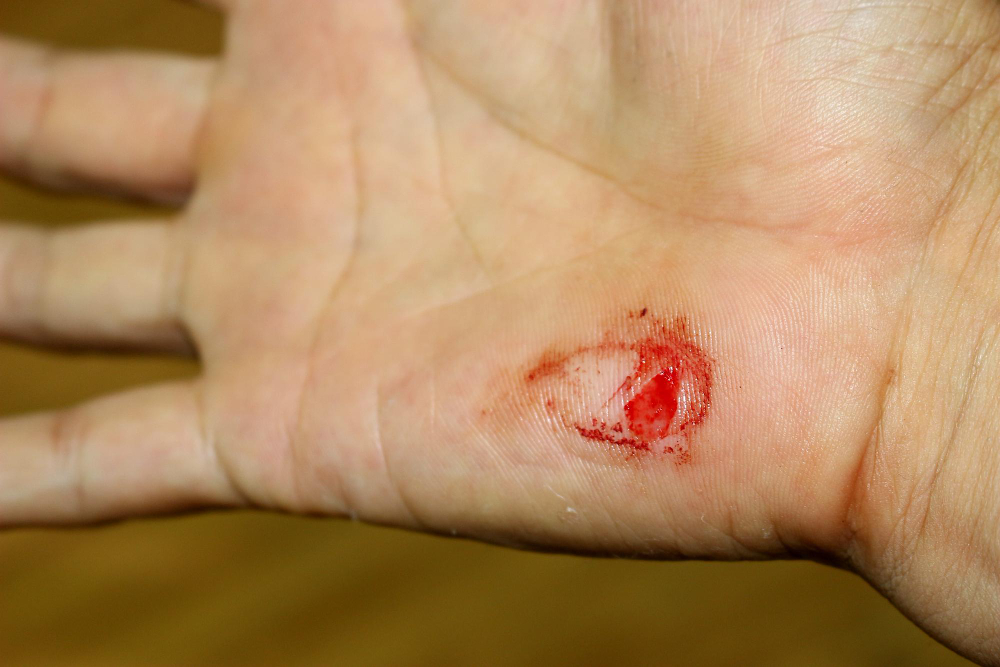
Early signs of diabetic wounds can be easy to miss. However, noticing them quickly helps prevent infection. Look for these symptoms:
For example, if you see any of these signs, take action right away. Early care can stop problems before they get worse.
Causes and Risk Factors
People with diabetes have higher blood sugar levels. Because of this, their bodies may not heal wounds as quickly. Several factors increase the risk of infection in diabetes:
Moreover, small cuts or blisters can turn into serious wounds if ignored. According to the World Health Organization (WHO), foot ulcers are a leading cause of hospital stays for people with diabetes.
Why Timely Healing Support Matters
Timely wound healing for diabetics is very important. If wounds do not heal quickly, the risk of infection rises. Infections can spread to deeper tissues or even bones. Sometimes, untreated wounds may lead to amputation. Therefore, early care and support help prevent these serious outcomes. Quick action also reduces pain and improves quality of life.
Ayurvedic Approaches to Diabetic Wound Care
Ayurvedic diabetic wound care uses natural remedies and lifestyle changes. Ayurveda focuses on balancing the body’s energies, called doshas. For wound care, Ayurveda may suggest:
In addition, Ayurvedic doctors may recommend special diets and gentle exercises. These help improve blood flow and boost the immune system. Always use Ayurvedic remedies under the guidance of a qualified practitioner. For those in India, Ayurvedic wound care is widely available and trusted by many families.
Prevention Tips and Lifestyle Guidance
Preventing diabetic wounds is better than treating them. Here are some simple tips:
Additionally, practicing yoga and meditation can help manage stress. Lower stress levels may support better healing and blood sugar control.
When to Seek Medical Help
Sometimes, home care is not enough. Seek medical help if you notice:
For example, if you see any of these signs, contact your doctor or an Ayurvedic specialist right away. Early treatment can prevent serious problems.
Conclusion and Call-to-Action
In summary, diabetic wounds and infection risk are serious concerns. Timely healing support is key to staying healthy. Ayurveda offers natural remedies and lifestyle tips for better wound care. However, always consult a healthcare specialist or qualified Ayurvedic practitioner at Acubiosys Private Limited for personalized advice on diabetic wound care.