
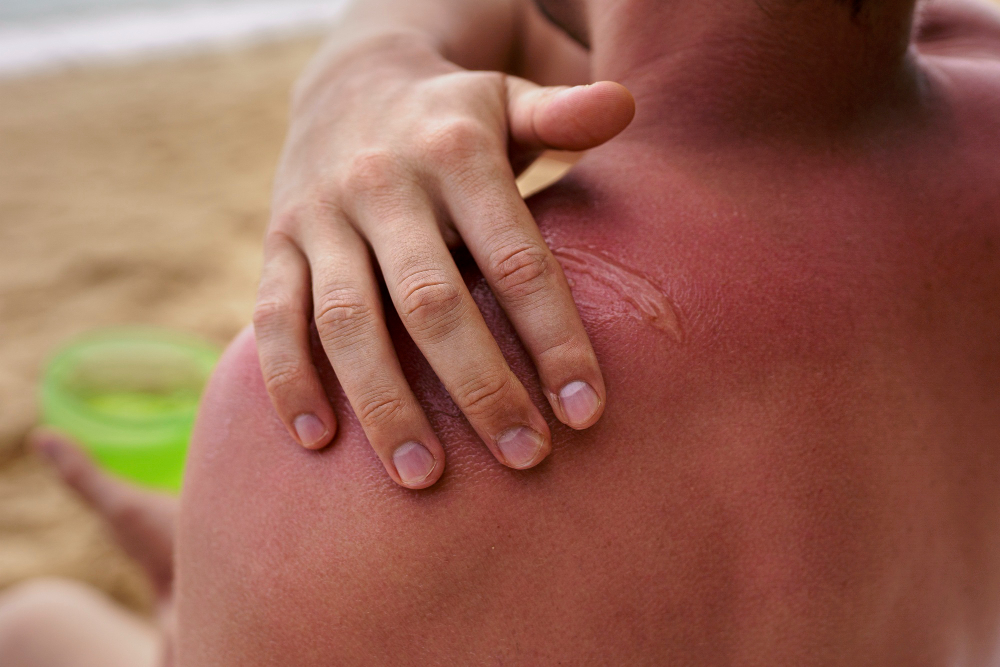
Many people experience burning, stinging and irritated skin at some point. These symptoms can make daily life uncomfortable. In Ayurveda, skin health is seen as a sign of overall well-being. When the skin barrier is weak, it becomes more sensitive. As a result, even mild things can cause discomfort. Understanding the causes and Ayurvedic remedies for irritated skin can help you find relief and restore balance.
What Is a Vulnerable Skin Barrier?
The skin barrier is the outermost layer of your skin. It protects against germs, pollution, and dryness. When this barrier is strong, your skin feels smooth and calm. However, if it becomes weak, your skin may react to simple things like soap, weather, or even water. In Ayurveda, this barrier is linked to the body’s natural balance, or doshas. A healthy barrier keeps moisture in and harmful things out. But when it is damaged, you may notice burning, stinging, or irritation.
Common Symptoms of Burning, Stinging, and Irritated Skin
When your skin barrier is vulnerable, you may notice several symptoms. For example, you might feel:
Sometimes, these symptoms come and go. However, they can also last for days or weeks if the barrier does not heal.
Causes of Skin Barrier Damage (with Emphasis on Ayurvedic Factors)
There are many reasons why your skin barrier may weaken. In Ayurveda, an imbalance in the doshas—Vata, Pitta, and Kapha—can play a big role. For instance, too much Pitta (heat) can make the skin red and irritated. On the other hand, excess Vata (dryness) can lead to rough, flaky skin. Common causes include:
According to Ayurveda, these factors disturb the natural balance, making the skin more prone to burning, stinging and irritation.
Ayurvedic Diagnosis and Assessment Methods
Ayurvedic experts use several ways to check skin health. First, they look at your skin’s appearance and texture. Next, they ask about your daily habits, diet, and stress levels. They may also check your pulse, tongue, and eyes. These steps help them find which dosha is out of balance. By understanding your unique body type, or prakriti, they can suggest the best Ayurvedic remedies for irritated skin.
Ayurvedic Treatments and Remedies
Ayurveda offers many gentle ways to soothe burning, stinging and irritated skin. For example, natural skin barrier repair may include:
These Ayurveda skin care tips can help restore balance and comfort. However, always test new remedies on a small area first to avoid reactions.
Lifestyle and Dietary Guidance for Skin Health
In Ayurveda, daily habits and food choices have a big impact on skin health. Therefore, experts suggest:
With these steps, you support your skin from the inside out. Over time, this can help prevent burning, stinging and irritated skin.
Prevention Tips for Maintaining a Healthy Skin Barrier
Keeping your skin barrier strong is easier with a few simple habits. For instance:
By following these Ayurveda skin care tips, you can protect your skin and reduce the risk of irritation.
When to Seek Medical Advice
Sometimes, burning, stinging and irritated skin may signal a more serious problem. If your symptoms do not improve with home care, or if you notice blisters, severe redness, or signs of infection, it is important to see a doctor. According to the World Health Organization and leading dermatology groups, early treatment can prevent complications. Always consult a healthcare provider if you are unsure about your symptoms or if they get worse.