
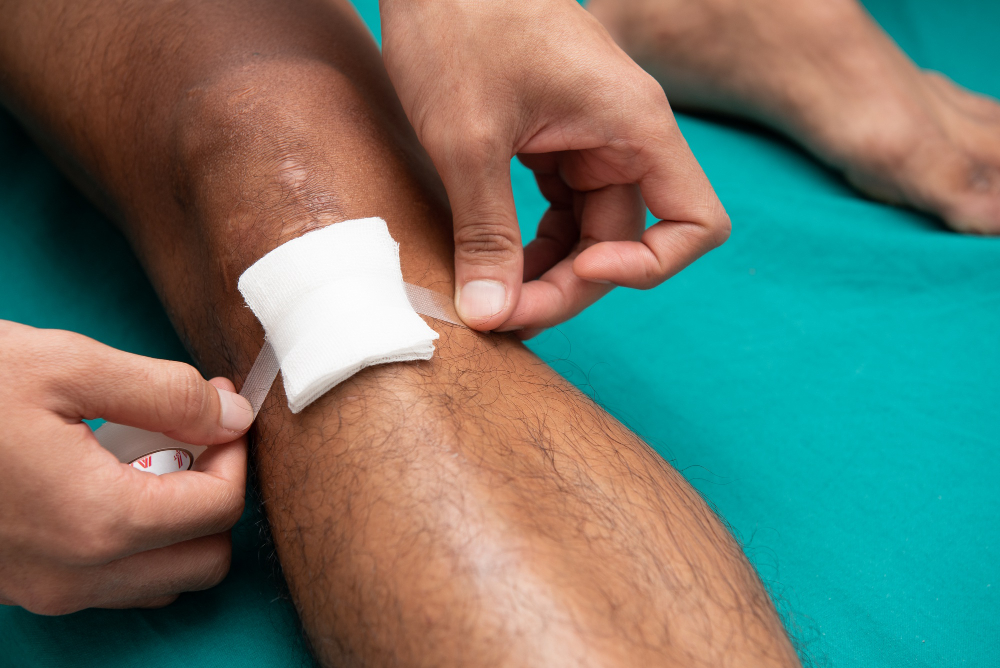
Diabetic wound healing is a key concern for people with diabetes. Because high blood sugar can slow healing, even small wounds may become serious. Proper care is vital to prevent infections and complications. However, many patients make mistakes that delay recovery. For advanced wound care, options like AZEBECO can help support healing and reduce risks. In this blog, we will explore common mistakes, how to avoid them, and the benefits of AZEBECO in diabetic wound care.
Understanding Diabetic Wounds
Diabetic wounds are injuries that heal slowly due to diabetes. Often, these wounds appear on the feet or legs. Because diabetes can damage nerves and blood vessels, people may not feel pain or notice injuries right away. As a result, wounds can get worse before they are treated. If not cared for, these wounds may lead to infections or even amputation. Therefore, understanding diabetic wounds is the first step to better care.
Common Mistakes Patients Make
Many patients make errors that can slow down healing or cause problems. Some of the most common diabetic wound care mistakes include:
Because these mistakes are common, knowing how to avoid them is important for faster recovery.
How to Avoid These Mistakes
Thankfully, you can take steps to prevent these errors. Here are some tips to help you heal diabetic wounds faster and safer:
By following these steps, you can avoid common diabetic wound care mistakes and support better healing.
Advanced Wound Care: The Role of AZEBECO
For some wounds, basic care may not be enough. In these cases, advanced wound care products like AZEBECO can help. AZEBECO is designed to support wound healing by keeping the area moist and protected. It helps reduce the risk of infection and speeds up the healing process. Moreover, AZEBECO is easy to use and can be part of your daily wound care routine. Many doctors recommend advanced products like AZEBECO for hard-to-heal wounds or diabetic foot ulcers. According to recent studies, advanced dressings can improve healing rates and lower the chance of complications (CDC, 2023).
Lifestyle and Prevention Tips
In addition to proper wound care, daily habits play a big role in preventing diabetic wounds. Here are some practical tips:
Because prevention is easier than treatment, these habits can help you avoid wounds and stay healthy.
When to Seek Medical Help
Sometimes, wounds need expert care. You should contact your healthcare provider if you notice:
Early treatment can prevent serious problems, including infections and amputations. Therefore, do not wait if you see warning signs.
Conclusion
In summary, diabetic wound healing requires careful daily care and attention. Avoiding common mistakes, using advanced products like AZEBECO, and following healthy habits can make a big difference. If you have a wound that is not healing, consult at Acubiosys Private Limited for personalized diabetic wound care guidance.