
Introduction
Atopic Dermatitis & Chronic Skin Dryness are common skin problems. These conditions can cause itching, redness, and discomfort. Many people look for ways to heal their skin. Both modern medicine and Ayurveda offer helpful solutions. In this blog, you will learn about these conditions and how to manage them. We will explore modern treatments and Ayurvedic approaches to skin recovery. You will also find natural remedies for chronic skin dryness and practical skin recovery tips.
What is Atopic Dermatitis & Chronic Skin Dryness?
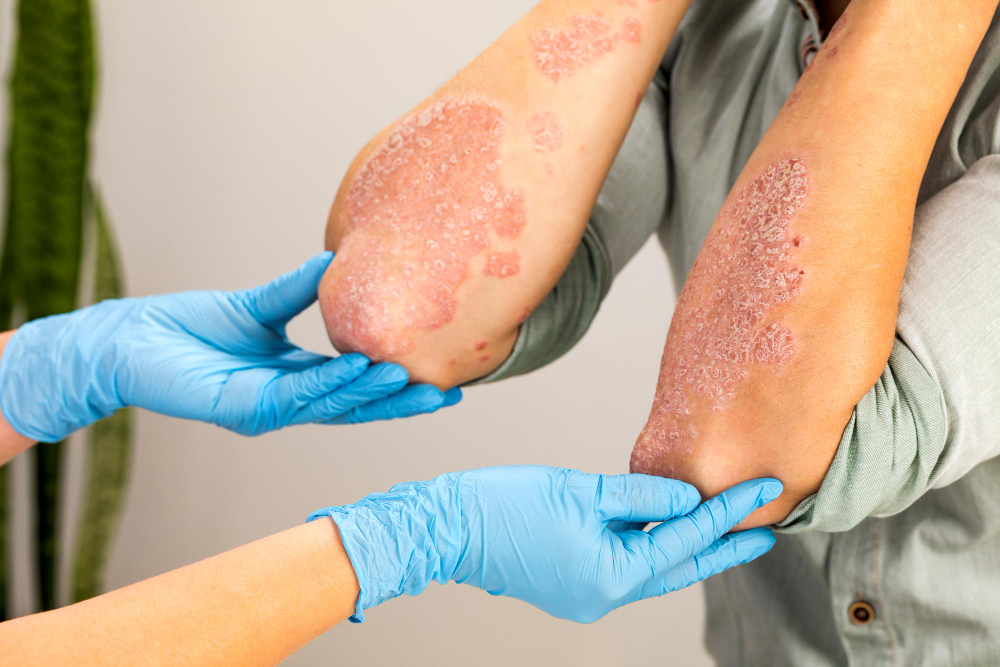
Atopic dermatitis is a long-lasting skin condition. It is also called eczema. This condition makes the skin red, itchy, and inflamed. Chronic skin dryness means your skin stays dry for a long time. Both problems can affect people of all ages. However, children are more likely to get atopic dermatitis.
Common symptoms include:
Because of these symptoms, daily life can be hard. For example, sleep may be disturbed. Sometimes, people feel embarrassed about their skin.
Causes and Risk Factors
Many things can cause atopic dermatitis and chronic skin dryness. First, genetics play a big role. If your parents had eczema, you may get it too. Second, environmental factors like cold weather or dry air can make symptoms worse. Third, lifestyle habits such as using harsh soaps or taking long hot showers can dry out your skin.
Other risk factors include:
Because these factors often work together, it is important to know your own triggers.
Diagnosis
Doctors diagnose atopic dermatitis and chronic skin dryness by looking at your skin. They may ask about your symptoms and family history. Sometimes, they do patch tests to check for allergies. In rare cases, a skin biopsy may be needed. However, most diagnoses are based on how your skin looks and feels. Early diagnosis helps you start treatment sooner.
Modern Approaches to Skin Recovery
Modern medicine offers several ways to treat atopic dermatitis and chronic skin dryness. First, doctors often suggest using gentle moisturizers. These help lock in moisture and protect your skin. Second, topical creams with steroids can reduce redness and itching. For severe cases, doctors may prescribe oral medications or special light therapy.
Evidence-based recommendations include:
According to the World Health Organization (WHO) and the American Academy of Dermatology, these steps can help manage symptoms and improve skin health.
Ayurvedic Approaches to Skin Recovery
Ayurveda is an ancient Indian system of medicine. It focuses on balance in the body, mind, and spirit. For skin health, Ayurveda looks at your body type, or “dosha.” Imbalance in the doshas can lead to skin problems like atopic dermatitis and dryness.
Popular Ayurvedic remedies and practices include:
For example, studies in the Journal of Ethnopharmacology show that neem and turmeric have anti-inflammatory effects. These herbs may help reduce redness and itching. However, always talk to a qualified Ayurvedic specialist before starting new remedies.
Lifestyle and Home Care Tips
Simple changes at home can make a big difference. For daily skin care, try these tips:
Because small steps can help prevent flare-ups, it is wise to follow these tips every day.
Prevention Strategies
Preventing atopic dermatitis and chronic skin dryness is possible. First, avoid known triggers like harsh soaps and perfumes. Second, keep your skin well-moisturized. Third, manage stress with regular relaxation techniques. Also, protect your skin from extreme weather by wearing proper clothing.
To sum up, prevention tips include:
Conclusion
Atopic dermatitis & chronic skin dryness can be managed with the right care. Both modern and Ayurvedic approaches offer helpful solutions. Because every person is different, it is important to find what works best for you. Consult a qualified healthcare provider or Ayurvedic specialist at Acubiosys Private Limited for personalized skin care advice.