
What is Melasma?
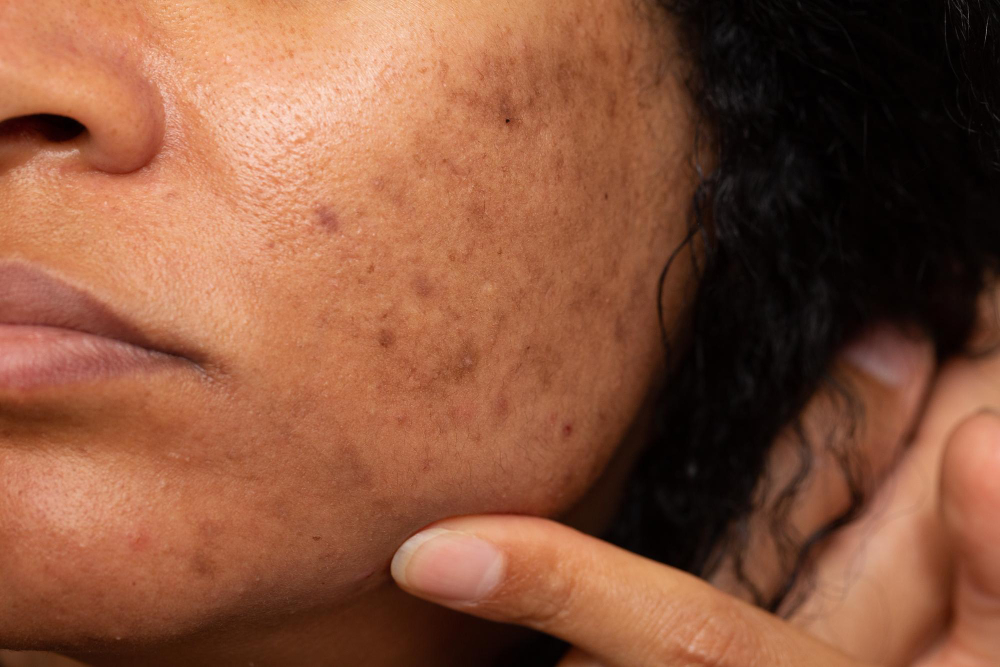
Melasma is a common skin condition. It causes brown or gray-brown patches on the face. Many people notice these patches on the cheeks, forehead, nose, or upper lip. While melasma is not harmful, it can affect how you feel about your appearance. For many, learning about melasma symptoms, melasma treatment, and how to manage melasma can help reduce stress. Although anyone can get melasma, it is more common in women and people with darker skin tones. According to the American Academy of Dermatology, melasma often appears during pregnancy or after sun exposure.
Common Symptoms of Melasma
Melasma symptoms are easy to spot. However, they can look like other skin problems. Here are the most common signs:
In most cases, melasma does not cause any physical discomfort. But, it can affect self-confidence. If you notice new or changing patches, it is wise to talk to a dermatologist.
Causes and Risk Factors
Melasma develops when skin cells make too much pigment. This pigment gives skin its color. Several factors can trigger melasma. For example, sun exposure is a major cause. In addition, hormones play a big role. Here are some common causes and risk factors:
Although anyone can get melasma, women are much more likely to develop it. According to the World Health Organization (WHO), up to 90% of people with melasma are women.
How Melasma is Diagnosed
Doctors usually diagnose melasma by looking at your skin. First, they ask about your medical history and any recent changes. Sometimes, they use a special light called a Wood’s lamp. This helps them see how deep the pigment goes. In rare cases, a skin biopsy may be needed. However, this is not common. Most of the time, a dermatologist can diagnose melasma during a simple office visit.
Effective Treatment Options
Melasma treatment depends on how severe the patches are. While melasma can fade on its own, especially after pregnancy, some people need treatment. Here are some common options:
For best results, follow your dermatologist’s advice. Some treatments can cause side effects, so regular check-ups are important. According to peer-reviewed dermatology journals, sunscreen is the most important step in managing melasma.
Lifestyle Tips and Prevention
Although melasma can be stubborn, you can take steps to prevent it from getting worse. Here are some helpful tips:
With these habits, you can help protect your skin. In addition, you may prevent new patches from forming.
When to See a Dermatologist
If you notice new or changing patches on your skin, it is a good idea to see a dermatologist. Also, if home care does not help, or if the patches bother you, seek expert advice. A dermatologist can confirm the diagnosis and suggest the best melasma treatment for your skin type. Early care can help prevent the patches from getting darker or spreading.
In summary, melasma is a common skin condition that can be managed with the right care. For personalized advice on melasma management, consult a dermatologist at Acubiosys Private Limited.