
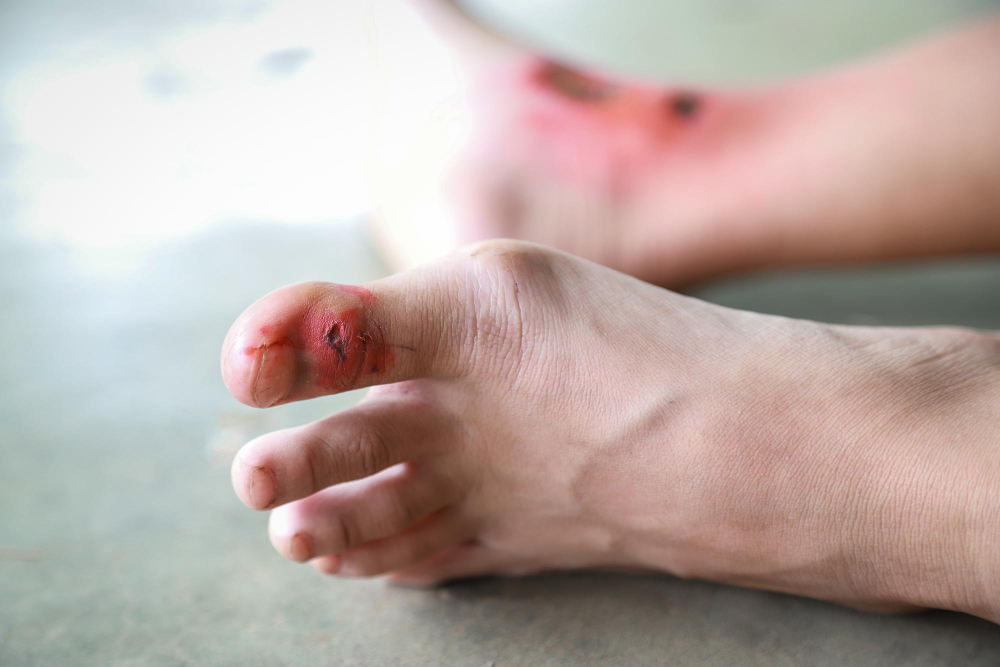
What is a Diabetic Wound?
A diabetic wound is a sore or ulcer that happens in people with diabetes. These wounds often appear on the feet or legs. Because diabetes can slow healing, even small cuts can turn into bigger problems. In addition, poor blood flow and nerve damage make it harder for the body to repair itself. Therefore, proper diabetic wound care is very important for people with diabetes.
Common Symptoms of Diabetic Wounds
It is important to spot the signs of a diabetic wound early. Early care can prevent serious problems. Look for these common symptoms:
However, some people with diabetes may not feel pain due to nerve damage. Therefore, it is wise to check your feet and legs daily for any changes.
Causes and Risk Factors
Diabetic wounds happen for several reasons. First, high blood sugar can damage nerves and blood vessels. This makes it hard for wounds to heal. Second, poor blood flow means less oxygen reaches the skin. As a result, even small injuries can become serious. Here are some common risk factors:
In addition, infections can develop quickly in diabetic wounds. Therefore, it is important to act fast if you notice any signs of infection.
How Diabetic Wounds are Diagnosed
Doctors use several steps to diagnose a diabetic wound. First, they will ask about your symptoms and medical history. Next, they will examine the wound closely. Sometimes, they may check for signs of infection or poor blood flow. In some cases, tests may include:
Because early diagnosis helps prevent serious problems, regular check-ups are important for people with diabetes.
Treatment Options for Diabetic Wounds
Treating a diabetic wound needs a careful plan. The main goals are to heal the wound, prevent infection, and avoid more damage. Common treatment steps include:
In severe cases, hospital care or surgery may be needed. However, most wounds heal well with early and proper diabetic wound care.
Prevention Tips and Lifestyle Guidance
Preventing diabetic wounds is possible with good habits. Here are some tips to help you stay safe:
In addition, ask your doctor about how to treat diabetic wounds at home and when to seek help. Small steps can make a big difference in preventing diabetic wounds.
When to See a Doctor
It is important to know when to get medical help. See a doctor right away if you notice:
Early care can prevent serious problems. Therefore, do not wait if you see any warning signs.
Consult a healthcare specialist at Acubiosys Private Limited for personalized advice on diabetic wound care.